Danh mục: Tin tức
Bài viết gần đây
-
-
Nhật ký vận hành Bot MT5: mẫu 7 ngày & khi nào phải dừng bot
Tháng 8 1, 2026 -
Cài MT5 trên VPS từ A→Z & giữ Terminal sống sau khi đóng RDP
Tháng 8 1, 2026
| Làn sóng lớp tài sản kiểu mới – Cách mạng trong quản lý tài sản
Được viết bởi thanhdt vào ngày 13/11/2025 lúc 06:12 | 143 lượt xem
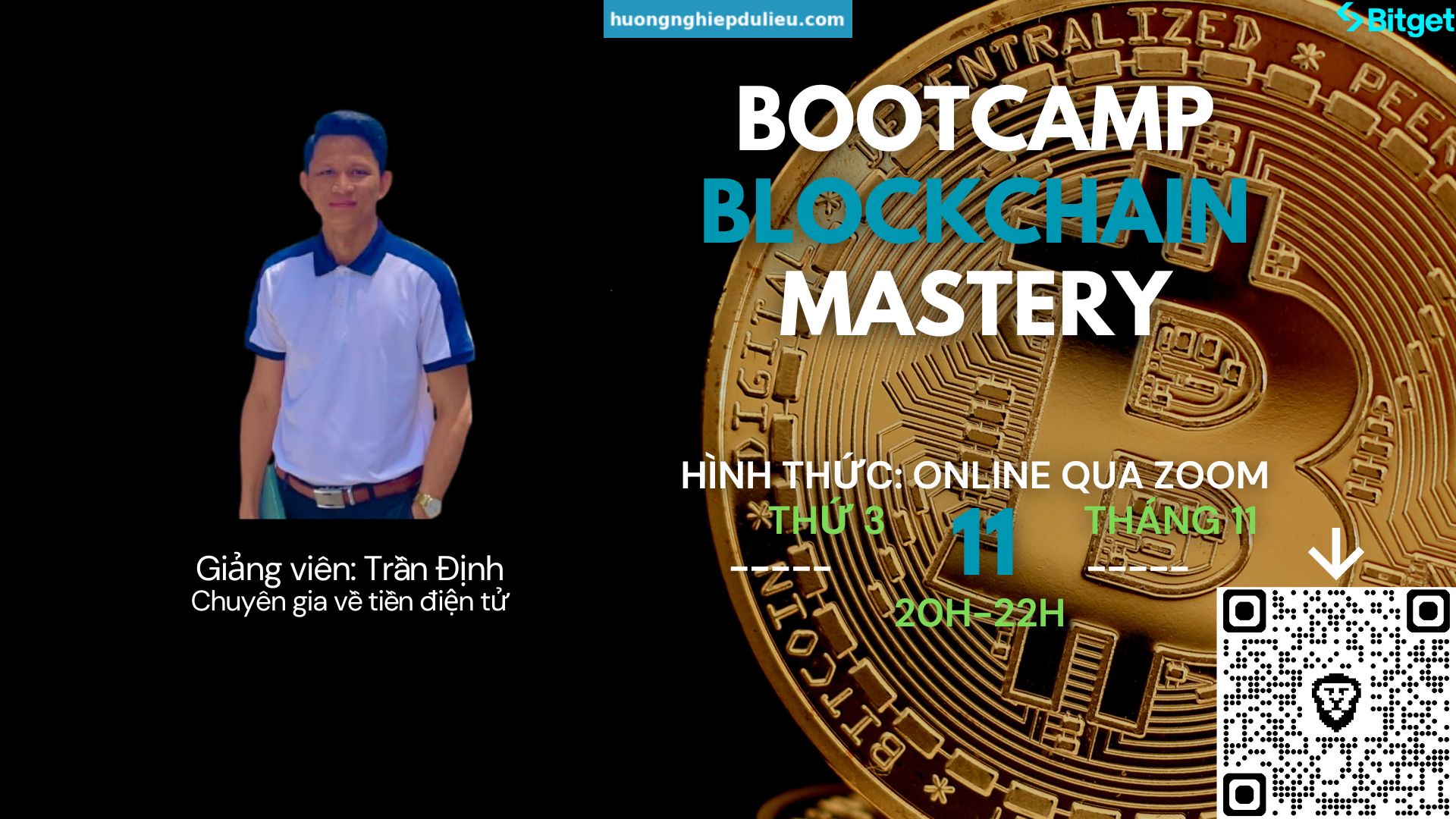
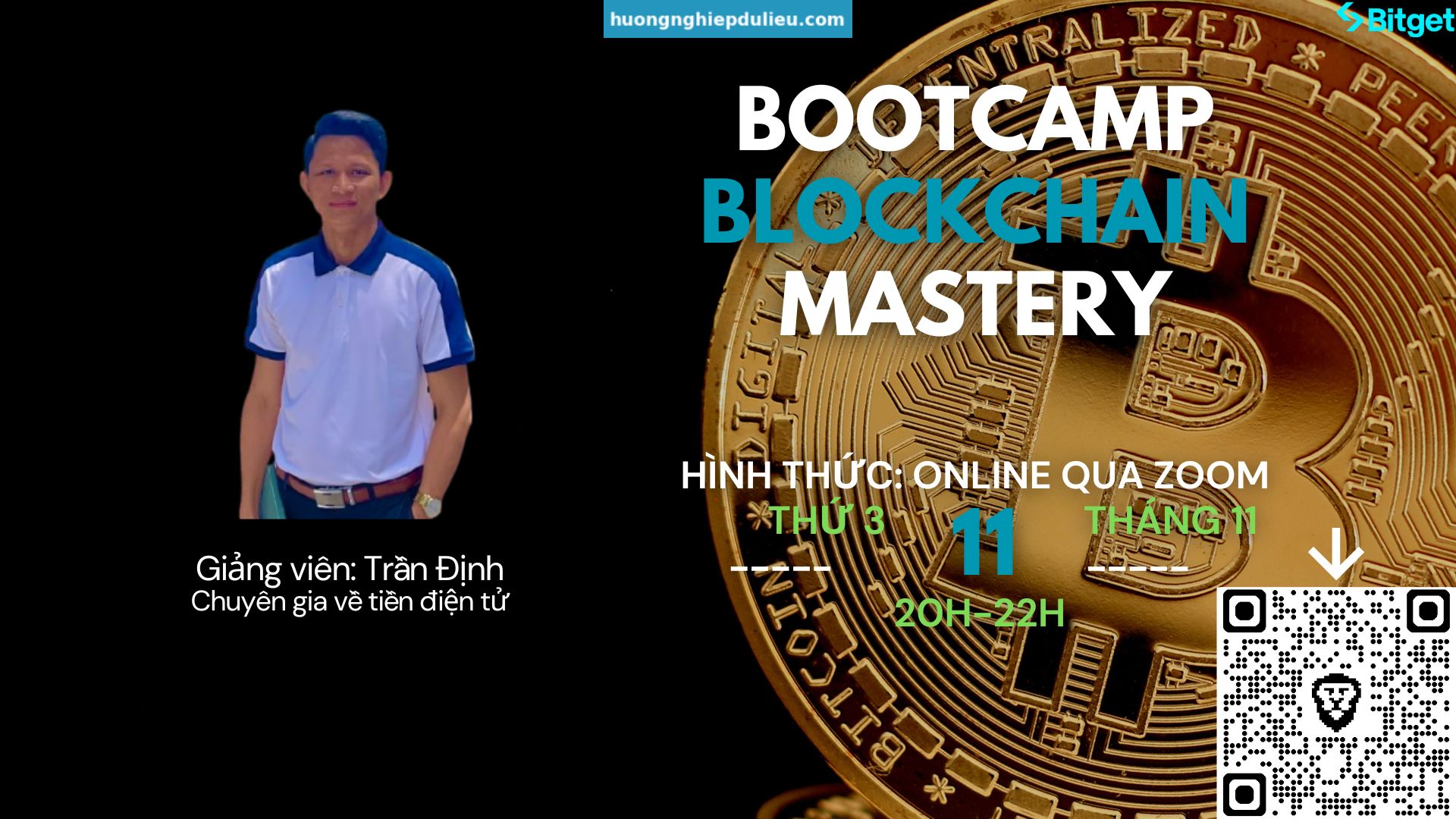
Làn sóng lớp tài sản kiểu mới
Thế giới đang chứng kiến sự xuất hiện của một làn sóng tài sản hoàn toàn mới – những tài sản được số hóa, phi tập trung và có thể giao dịch 24/7 không biên giới. Bài viết này khám phá sự thay đổi mang tính cách mạng này.
Thế giới đang thay đổi
Tài sản truyền thống vs Tài sản mới
Tài sản truyền thống:
- Bất động sản
- Cổ phiếu
- Trái phiếu
- Vàng, kim loại quý
- Nghệ thuật
Tài sản kiểu mới:
- Cryptocurrencies
- NFTs
- Tokenized assets (RWA)
- DeFi tokens
- Digital collectibles
Đặc điểm của tài sản mới
1. Programmability
- Smart contracts: Tự động hóa các điều khoản
- Customizable: Có thể tùy chỉnh
- Composability: Kết hợp với nhau
2. Global Accessibility
- 24/7 trading: Giao dịch không giờ giấc
- No borders: Không có biên giới
- Permissionless: Không cần permission
3. Transparency
- Public ledger: Tất cả trên blockchain
- Verifiable: Dễ dàng verify
- Immutable: Không thể sửa đổi
4. Fractionalization
- Chia nhỏ: Sở hữu một phần
- Lower barrier: Rào cản thấp hơn
- Liquidity: Thanh khoản tốt hơn
Các loại tài sản mới
1. Cryptocurrencies
Bitcoin và Altcoins:
- Store of value
- Medium of exchange
- Unit of account
Stablecoins:
- Price stability
- Easy transfer
- DeFi integration
2. NFTs (Non-Fungible Tokens)
Digital Art:
- Unique ownership
- Provenance tracking
- Creator royalties
Gaming Assets:
- In-game items
- Virtual real estate
- Character ownership
Collectibles:
- Trading cards
- Moments
- Rarities
3. Tokenized Real World Assets (RWA)
Real Estate:
- Property tokens
- Fractional ownership
- Global investment
Commodities:
- Gold tokens
- Oil futures
- Agricultural products
Securities:
- Stock tokens
- Bond tokens
- Private equity
4. DeFi Tokens
Protocol Tokens:
- Governance rights
- Fee sharing
- Yield generation
LP Tokens:
- Liquidity provision
- Yield farming
- Automated market making
Tại sao đây là cơ hội lớn?
1. Market Size
- Traditional assets: Hàng trăm nghìn tỷ USD
- Tokenization potential: 1% = Hàng nghìn tỷ USD
- Growth trajectory: Tăng trưởng mạnh
2. Technology Maturity
- Blockchain: Đã phát triển hơn 15 năm
- Infrastructure: Layer 2, scaling solutions
- Adoption: Ngày càng tăng
3. Regulatory Clarity
- Framework: Nhiều quốc gia đã có framework
- Institutional support: Nhiều tổ chức tham gia
- Mainstream acceptance: Chấp nhận rộng rãi hơn
4. User Demand
- Young generation: Quen với digital
- Accessibility: Dễ tiếp cận hơn
- Benefits: Rõ ràng và hữu ích
Case Studies
Real Estate Tokenization
Example:
- Property worth $10M
- Tokenized thành 10,000 tokens
- Mỗi token = $1,000
- 24/7 trading trên DEX
Benefits:
- Lower barrier to entry
- Fractional ownership
- Global liquidity
- Transparency
Commodity Tokenization
Gold Tokens:
- 1 token = 1 gram gold
- Backed by physical gold
- Tradeable 24/7
- No storage needed
Benefits:
- Easy access
- No custody risk
- Instant settlement
- Global trading
Security Tokenization
Stock Tokens:
- Represent real stocks
- Dividend distribution
- Voting rights
- 24/7 trading
Benefits:
- Global access
- Fractional shares
- Lower fees
- Faster settlement
Challenges và Solutions
Challenges
1. Regulatory Uncertainty
- Issue: Regulations chưa rõ ràng
- Solution: Compliance-first approach
- Progress: Đang được giải quyết
2. Technical Complexity
- Issue: Khó hiểu với người mới
- Solution: Better UX, education
- Progress: Đang cải thiện
3. Liquidity
- Issue: Một số assets chưa có liquidity
- Solution: More marketplaces, bridges
- Progress: Tăng trưởng nhanh
4. Security
- Issue: Smart contract risks
- Solution: Audits, insurance
- Progress: Better practices
Solutions đang phát triển
- Better infrastructure: Layer 2, cross-chain
- Regulatory frameworks: Rõ ràng hơn
- User education: Nhiều tài liệu hơn
- Insurance products: Bảo vệ users
Future Outlook
Short-term (1-2 years)
- More RWA projects: Nhiều dự án tokenize assets
- Better UX: Dễ sử dụng hơn
- Regulatory clarity: Framework rõ ràng hơn
Medium-term (3-5 years)
- Mass adoption: Chấp nhận rộng rãi
- Institutional participation: Nhiều tổ chức tham gia
- Mainstream assets: Major assets được tokenize
Long-term (5-10 years)
- New asset classes: Loại tài sản hoàn toàn mới
- Global standard: Tiêu chuẩn toàn cầu
- Complete transformation: Chuyển đổi hoàn toàn
Investment Opportunities
Early Stage
- RWA protocols: Tokenization platforms
- Infrastructure: Layer 2, oracles
- Marketplaces: Trading platforms
Growth Stage
- Established RWA: Proven projects
- DeFi integration: RWA trong DeFi
- Cross-chain: Multi-chain solutions
Mature Stage
- Blue-chip RWAs: Largest tokenized assets
- Institutional products: For institutions
- Compliance-focused: Regulated products
Kết luận
Làn sóng tài sản kiểu mới đang cách mạng hóa cách chúng ta sở hữu, quản lý và giao dịch tài sản:
- ✅ Programmability: Tài sản có thể lập trình
- ✅ Global Access: Tiếp cận toàn cầu
- ✅ Transparency: Minh bạch hoàn toàn
- ✅ Fractionalization: Chia nhỏ dễ dàng
- ✅ 24/7 Trading: Giao dịch không ngừng
Đây là cơ hội lớn cho cả nhà đầu tư và người phát triển. Những ai hiểu và nắm bắt xu hướng này sớm sẽ có lợi thế lớn trong tương lai.
Bắt đầu khám phá thế giới tài sản mới ngay hôm nay!
Bài viết gần đây
-
Bot Auto Trading là gì? Hướng dẫn xây dựng bot thực chiến 2026
Tháng 8 2, 2026 -
Nhật ký vận hành Bot MT5: mẫu 7 ngày & khi nào phải dừng bot
Tháng 8 1, 2026 -
Cài MT5 trên VPS từ A→Z & giữ Terminal sống sau khi đóng RDP
Tháng 8 1, 2026
| Kế hoạch giao dịch và tích trữ tài sản đúng thời điểm
Được viết bởi thanhdt vào ngày 13/11/2025 lúc 06:12 | 132 lượt xem
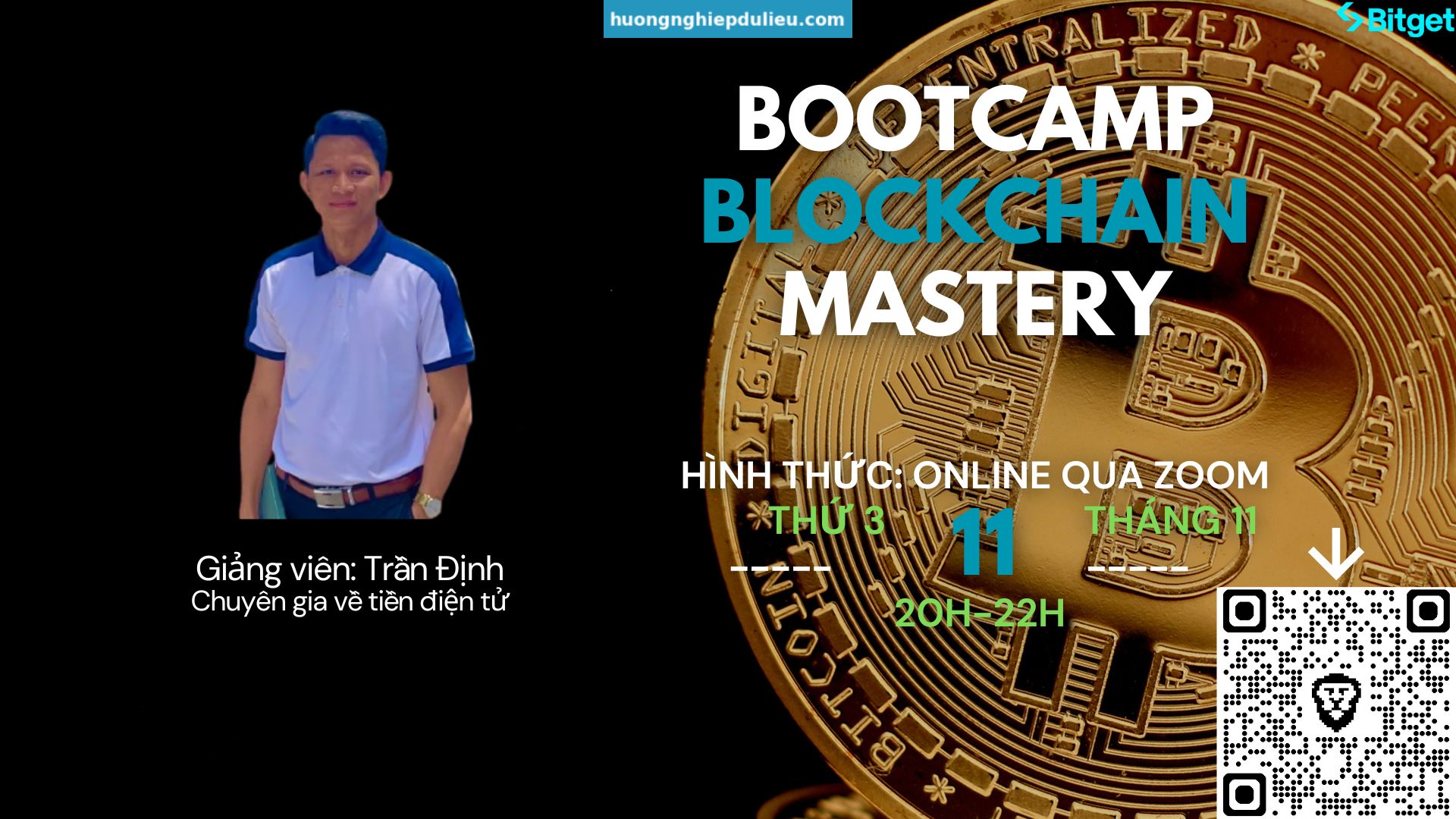
Kế hoạch giao dịch và tích trữ tài sản đúng thời điểm
Trong thị trường blockchain, thời điểm là tất cả. Việc có một kế hoạch giao dịch và tích trữ tài sản rõ ràng, phù hợp với các chu kỳ thị trường sẽ giúp bạn tối đa hóa lợi nhuận và giảm thiểu rủi ro. Bài viết này sẽ hướng dẫn bạn xây dựng và thực thi kế hoạch hiệu quả.
Hiểu về chu kỳ thị trường
Chu kỳ Crypto thông thường
Thị trường crypto thường di chuyển theo chu kỳ 4 năm (theo Bitcoin halving):
-
Accumulation Phase (1-2 năm sau đáy)
- Giá thấp, ít người quan tâm
- Thời điểm tốt để tích trữ
-
Mark-up Phase (1-1.5 năm)
- Giá bắt đầu tăng
- Media bắt đầu chú ý
- Public bắt đầu tham gia
-
Distribution Phase (6-12 tháng)
- Giá đạt đỉnh
- Euphoria và FOMO
- Smart money bán ra
-
Mark-down Phase (1-2 năm)
- Giá giảm mạnh
- Capitulation
- Chuẩn bị cho cycle mới
Bitcoin Halving Cycle
- 2008-2012: Cycle đầu tiên
- 2012-2016: Halving 1
- 2016-2020: Halving 2
- 2020-2024: Halving 3
- 2024-2028: Halving 4 (hiện tại)
Chiến lược tích trữ (Accumulation)
1. Dollar Cost Averaging (DCA)
Cách thức:
- Mua định kỳ với số tiền cố định
- Không quan tâm giá ngắn hạn
- Giảm timing risk
Ví dụ:
- Mua $100 mỗi tuần
- Hoặc $500 mỗi tháng
- Tự động hóa nếu có thể
Ưu điểm:
- ✅ Không cần time market
- ✅ Giảm stress
- ✅ Average cost tốt hơn
Nhược điểm:
- ❌ Có thể mua giá cao trong bull run
- ❌ Bỏ lỡ cơ hội mua đáy
2. Value Averaging
Cách thức:
- Mua nhiều hơn khi giá giảm
- Mua ít hơn khi giá tăng
- Đảm bảo portfolio value tăng đều
Ví dụ:
- Mục tiêu: Tăng $500/tháng
- Nếu portfolio đã tăng $600 → mua $400
- Nếu portfolio chỉ tăng $300 → mua $700
3. Accumulation ở đáy (Lump Sum)
Khi nào:
- Khi thị trường đã capitulate
- Fear & Greed Index < 20
- Mọi người đều bearish
Cách thực hiện:
- Chia nhỏ số tiền lớn
- Mua từng phần trong 2-3 tháng
- Không all-in một lúc
Chiến lược giao dịch
1. Position Trading (Vài tháng đến vài năm)
Phù hợp với:
- Người không có thời gian theo dõi
- Muốn exposure với trend lớn
- Risk tolerance trung bình
Strategy:
- Buy và hold trong bull run
- Take profit ở các mốc quan trọng
- Hold qua bear market nếu tin tưởng
2. Swing Trading (Vài ngày đến vài tuần)
Phù hợp với:
- Có thời gian research
- Hiểu technical analysis
- Risk tolerance cao hơn
Strategy:
- Mua ở support
- Bán ở resistance
- Sử dụng indicators (RSI, MACD)
3. Day Trading (Trong ngày)
Phù hợp với:
- Có nhiều thời gian
- Experience cao
- Risk tolerance rất cao
Lưu ý:
- ⚠️ Rủi ro rất cao
- ⚠️ Cần skill và discipline
- ⚠️ Không khuyến nghị cho người mới
Timing Indicators
1. On-chain Metrics
MVRV (Market Value to Realized Value)
- < 1: Undervalued, good time to buy
- > 3.7: Overvalued, consider selling
Exchange Flows
- Net outflow: Tốt (holding)
- Net inflow: Cảnh giác (có thể bán)
Long-term Holder Supply
- Tăng: Accumulation phase
- Giảm: Distribution phase
2. Market Sentiment
Fear & Greed Index
- 0-25: Extreme Fear – Buy zone
- 26-45: Fear – Accumulation
- 46-55: Neutral
- 56-75: Greed – Caution
- 76-100: Extreme Greed – Sell zone
Social Media Sentiment
- Quá nhiều hype → Cảnh giác
- Quá nhiều FUD → Có thể mua
3. Technical Indicators
RSI (Relative Strength Index)
- < 30: Oversold – Buy signal
- > 70: Overbought – Sell signal
MACD
- Golden cross: Bullish
- Death cross: Bearish
Moving Averages
- Price > 200 MA: Uptrend
- Price < 200 MA: Downtrend
Kế hoạch cụ thể theo giai đoạn
Accumulation Phase
Timing: 1-2 năm sau đáy
Actions:
- ✅ DCA mỗi tháng
- ✅ Accumulate core holdings (BTC, ETH)
- ✅ Research các dự án tiềm năng
- ✅ Build position từ từ
Allocation:
- 70% Blue-chips (BTC, ETH)
- 20% Established alts
- 10% Emerging projects
Mark-up Phase
Timing: Khi thị trường bắt đầu recovery
Actions:
- ✅ Tiếp tục DCA nhưng giảm tần suất
- ✅ Take profit một phần (20-30%)
- ✅ Rebalance portfolio
- ✅ Focus vào quality projects
Allocation:
- 50% Blue-chips
- 30% Quality alts
- 20% Emerging
Distribution Phase (Peak)
Timing: Khi giá đạt đỉnh
Actions:
- ✅ Take profit lớn (50-70%)
- ✅ Trim positions
- ✅ Move sang stablecoins
- ✅ Chờ cơ hội mua lại
Signs of peak:
- Media coverage cực đại
- Mọi người đều nói về crypto
- FOMO extreme
- Price tăng không sustainable
Mark-down Phase
Timing: Khi thị trường crash
Actions:
- ✅ Chờ đợi và quan sát
- ✅ Accumulate khi giá giảm sâu
- ✅ Research và chuẩn bị
- ✅ Build position cho cycle tiếp theo
Entry points:
- -50% từ đỉnh: Bắt đầu DCA
- -70% từ đỉnh: Tăng DCA
- -80%+ từ đỉnh: Aggressive accumulation
Risk Management
Position Sizing
Core Holdings (BTC, ETH):
- 40-60% portfolio
- Hold long-term
Established Alts:
- 20-30% portfolio
- Take profit ở peaks
Emerging Projects:
- 10-20% portfolio
- Higher risk, higher reward
Stop Loss và Take Profit
Stop Loss:
- Set ở mức có thể chấp nhận mất
- Thường 20-30% cho long-term
- 10-15% cho short-term trades
Take Profit:
- Level 1: 50-100% → Take 20-30%
- Level 2: 200-300% → Take 30-40%
- Level 3: 500%+ → Take 40-50%
- Hold phần còn lại cho long-term
Diversification
Theo Category:
- L1s: 30%
- L2s: 20%
- DeFi: 20%
- Infrastructure: 10%
- Gaming/NFT: 10%
- Stablecoins: 10%
Theo Risk:
- Low risk: 50%
- Medium risk: 30%
- High risk: 20%
Tools và Resources
Portfolio Tracking
- CoinGecko Portfolio: Track holdings
- DeBank: Multi-chain portfolio
- Zapper: DeFi portfolio
Analytics
- Glassnode: On-chain analytics
- Dune Analytics: Custom analytics
- Nansen: Smart money tracking
Trading Platforms
- Binance, Coinbase: Centralized
- Uniswap, 1inch: Decentralized
- DCA bots: Automated DCA
Lỗi thường gặp
1. FOMO (Fear of Missing Out)
- Vấn đề: Mua khi giá đã cao
- Giải pháp: Stick to plan, don’t chase
2. FUD (Fear, Uncertainty, Doubt)
- Vấn đề: Bán khi giá giảm
- Giải pháp: Long-term perspective
3. Overtrading
- Vấn đề: Giao dịch quá nhiều
- Giải pháp: Stick to strategy
4. All-in hoặc All-out
- Vấn đề: Quá cực đoan
- Giải pháp: Gradual entry/exit
Kết luận
Một kế hoạch giao dịch và tích trữ tài sản hiệu quả cần:
- ✅ Hiểu chu kỳ: Biết đang ở giai đoạn nào
- ✅ DCA strategy: Tích trữ đều đặn
- ✅ Timing indicators: Sử dụng các chỉ số
- ✅ Take profit: Realize gains ở đúng thời điểm
- ✅ Risk management: Quản lý rủi ro tốt
- ✅ Discipline: Tuân thủ kế hoạch
Nhớ rằng:
- Time in market > Timing the market
- Diversification giảm risk
- Long-term perspective quan trọng nhất
- Don’t invest more than you can lose
Bắt đầu xây dựng kế hoạch giao dịch và tích trữ của bạn ngay hôm nay!
Bài viết gần đây
-
Bot Auto Trading là gì? Hướng dẫn xây dựng bot thực chiến 2026
Tháng 8 2, 2026 -
Nhật ký vận hành Bot MT5: mẫu 7 ngày & khi nào phải dừng bot
Tháng 8 1, 2026 -
Cài MT5 trên VPS từ A→Z & giữ Terminal sống sau khi đóng RDP
Tháng 8 1, 2026
| Xác định rõ cơ hội lớn cho nhiều năm sau trong thị trường Blockchain
Được viết bởi thanhdt vào ngày 13/11/2025 lúc 06:12 | 151 lượt xem
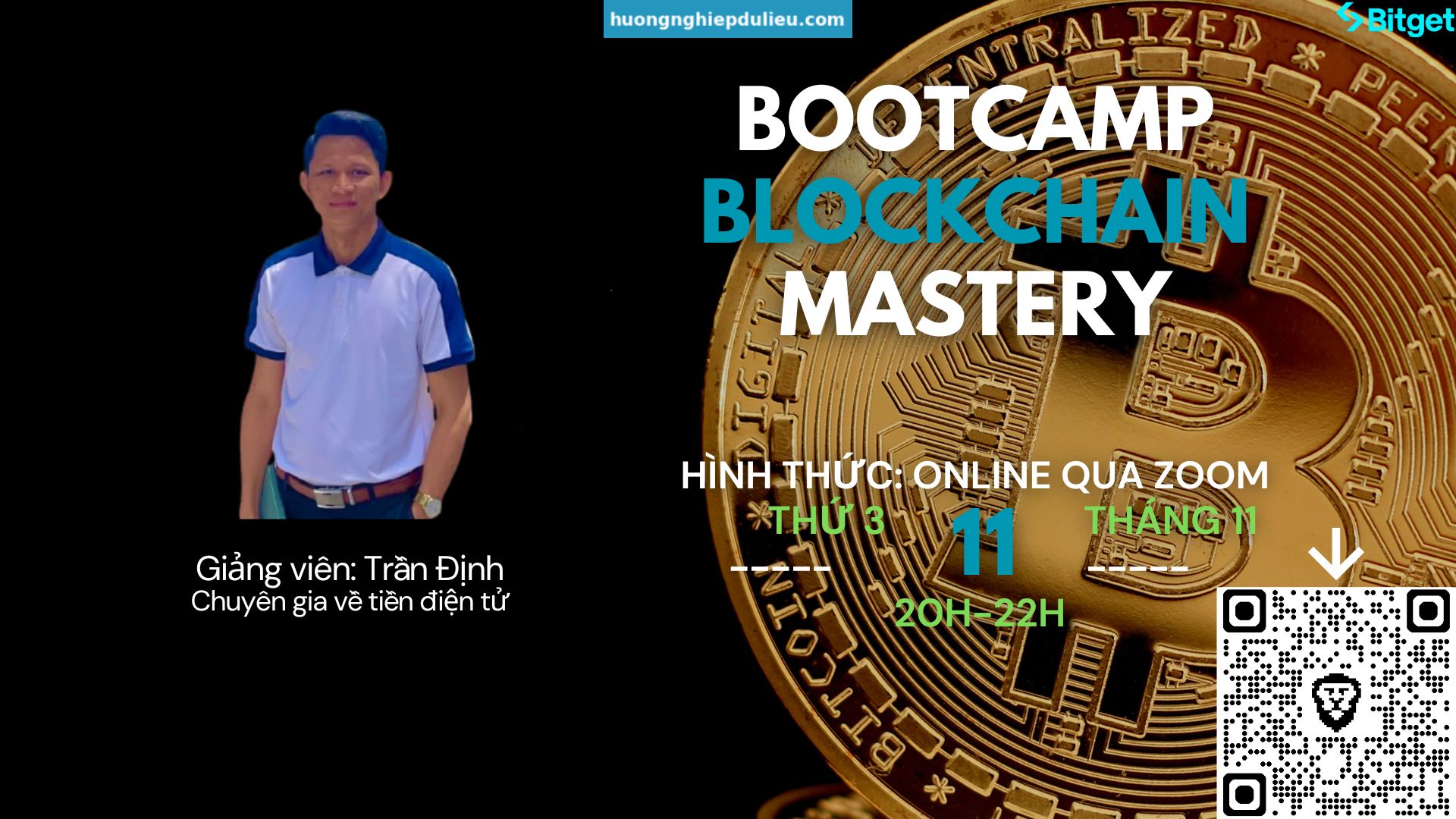
Xác định rõ cơ hội lớn cho nhiều năm sau
Trong thị trường blockchain và cryptocurrency, việc xác định đúng các cơ hội dài hạn là yếu tố quyết định thành công của mỗi nhà đầu tư. Bài viết này sẽ giúp bạn nhận diện và nắm bắt những cơ hội lớn trong nhiều năm tới.
Tại sao cần xác định cơ hội dài hạn?
Sự phát triển của thị trường Blockchain
Thị trường blockchain đang trong giai đoạn phát triển mạnh mẽ:
- Tổng vốn hóa thị trường: Tăng trưởng từ vài tỷ USD lên hàng nghìn tỷ USD
- Số lượng dự án: Hàng chục nghìn dự án mới mỗi năm
- Sự chấp nhận: Ngày càng nhiều tổ chức và cá nhân tham gia
Lợi ích của đầu tư dài hạn
- Tránh được biến động ngắn hạn: Thị trường crypto có độ biến động cao
- Tận dụng được xu hướng: Công nghệ blockchain là xu hướng của tương lai
- Giảm stress: Không cần theo dõi hàng ngày như trading ngắn hạn
Các cơ hội lớn trong 5-10 năm tới
1. Layer 2 Solutions và Scaling
Cơ hội: Giải quyết vấn đề scaling của blockchain
Tại sao là cơ hội lớn?
- Ethereum và các blockchain lớn đang gặp vấn đề về phí và tốc độ
- Layer 2 solutions giảm phí 90-99% và tăng tốc độ đáng kể
- Nhiều dự án Layer 2 đang phát triển mạnh
Các dự án tiềm năng:
- Polygon: Đã có ecosystem lớn, EVM-compatible
- Arbitrum: Optimistic rollup với nhiều dApp
- zkSync: ZK-rollup với technology tiên tiến
- Optimism: OP Stack cho superchain vision
2. Interoperability và Cross-chain
Cơ hội: Kết nối các blockchain với nhau
Tại sao quan trọng?
- Hiện tại có hàng trăm blockchain riêng biệt
- Cần bridge để transfer assets giữa các chain
- Multi-chain future là xu hướng
Các dự án theo dõi:
- Cosmos: IBC protocol cho interoperability
- Polkadot: Parachains và cross-chain messaging
- LayerZero: Omnichain protocol
- Wormhole: Cross-chain bridge
3. Real World Assets (RWA)
Cơ hội: Token hóa tài sản thực tế
Tiềm năng:
- Token hóa bất động sản, hàng hóa, trái phiếu
- Market size cực kỳ lớn (hàng nghìn tỷ USD)
- Tăng tính thanh khoản cho tài sản truyền thống
Lĩnh vực tiềm năng:
- Real Estate: Token hóa bất động sản
- Commodities: Vàng, dầu, nông sản
- Stocks/Bonds: Token hóa chứng khoán
- Art: Token hóa tác phẩm nghệ thuật
4. DeFi Infrastructure
Cơ hội: Nền tảng cho tài chính phi tập trung
Vì sao là cơ hội?
- DeFi TVL đã đạt hàng trăm tỷ USD
- Vẫn còn nhiều tiềm năng phát triển
- Cần infrastructure tốt hơn
Các mảng tiềm năng:
- Lending/Borrowing: Aave, Compound competitors
- DEX: Uniswap, Curve alternatives
- Derivatives: Options, futures trên DeFi
- Insurance: Bảo hiểm cho DeFi protocols
5. AI và Blockchain Integration
Cơ hội: Kết hợp AI với blockchain
Xu hướng:
- AI agents giao dịch tự động
- Decentralized compute markets
- AI training data markets
- Smart contracts với AI logic
6. Central Bank Digital Currencies (CBDC)
Cơ hội: Tiền tệ số của ngân hàng trung ương
Triển vọng:
- Nhiều quốc gia đang phát triển CBDC
- Sử dụng blockchain technology
- Thay đổi hệ thống thanh toán toàn cầu
7. Gaming và Metaverse
Cơ hội: Game blockchain và virtual worlds
Tại sao hấp dẫn?
- Play-to-earn model
- NFT trong gaming
- Virtual real estate
- User ownership của assets
Cách xác định cơ hội đúng
1. Phân tích xu hướng công nghệ
- Theo dõi development: Xem code commits, roadmap
- Community growth: Cộng đồng phát triển mạnh
- Partnership: Hợp tác với các tổ chức lớn
2. Đánh giá độ cần thiết
- Giải quyết vấn đề thực tế: Không chỉ là hype
- Market fit: Có nhu cầu thực sự
- Competitive advantage: Lợi thế cạnh tranh rõ ràng
3. Nghiên cứu team và backers
- Team experience: Kinh nghiệm trong blockchain
- Investors: Các nhà đầu tư uy tín
- Advisors: Cố vấn có tiếng
4. Phân tích tokenomics
- Supply: Total và circulating supply
- Distribution: Cách phân phối token
- Utility: Use case thực tế của token
- Governance: Quyền quản trị
Kế hoạch hành động
Ngắn hạn (1-2 năm)
- Học hỏi về các technology mới
- Tham gia các ecosystem đang phát triển
- Build portfolio đa dạng
Trung hạn (3-5 năm)
- Tập trung vào các cơ hội đã xác định
- Tăng dần allocation cho các dự án tiềm năng
- Theo dõi và điều chỉnh strategy
Dài hạn (5-10 năm)
- Hold các tài sản core
- Participate trong governance
- Stake/lock để earn rewards
Rủi ro cần lưu ý
Market Risks
- Volatility: Giá biến động mạnh
- Regulation: Quy định pháp lý thay đổi
- Technology risks: Công nghệ có thể thay đổi
Project Risks
- Team risks: Team có thể không deliver
- Competition: Cạnh tranh từ dự án khác
- Adoption: Không được chấp nhận rộng rãi
Mitigation Strategies
- Diversification: Đa dạng hóa portfolio
- Research: Nghiên cứu kỹ trước khi đầu tư
- Only invest what you can afford to lose: Chỉ đầu tư số tiền có thể mất
Kết luận
Xác định đúng cơ hội lớn cho nhiều năm sau là chìa khóa thành công trong thị trường blockchain. Bằng cách:
- Theo dõi xu hướng công nghệ
- Phân tích kỹ các dự án
- Đa dạng hóa danh mục đầu tư
- Kiên nhẫn với strategy dài hạn
Bạn sẽ có cơ hội tận dụng được những cơ hội lớn trong tương lai của thị trường blockchain.
Bắt đầu hành trình xác định cơ hội của bạn ngay hôm nay!
Bài viết gần đây
-
Bot Auto Trading là gì? Hướng dẫn xây dựng bot thực chiến 2026
Tháng 8 2, 2026 -
Nhật ký vận hành Bot MT5: mẫu 7 ngày & khi nào phải dừng bot
Tháng 8 1, 2026 -
Cài MT5 trên VPS từ A→Z & giữ Terminal sống sau khi đóng RDP
Tháng 8 1, 2026
| Công nghệ Blockchain đang cách mạng hóa hoạt động doanh nghiệp như thế nào – Một trường hợp sử dụng thực tế
Được viết bởi thanhdt vào ngày 13/11/2025 lúc 06:12 | 115 lượt xem

Công nghệ Blockchain đã cách mạng hóa cách chúng ta nghĩ về tiền bạc và niềm tin. Hãy khám phá cách công nghệ Blockchain có thể giúp các doanh nghiệp phát triển thông qua một ví dụ điển hình.
Giới thiệu
Công nghệ Blockchain đã thu hút được sự chú ý đáng kể trong những năm gần đây, chủ yếu là do sự gia tăng của các loại tiền điện tử như Bitcoin. Tuy nhiên, tiềm năng của công nghệ này vượt xa hơn những gì bạn tưởng tượng. Là một hệ thống sổ cái phi tập trung, minh bạch và an toàn, công nghệ Blockchain đang cách mạng hóa cách vận hành các doanh nghiệp, tối ưu hóa quy trình và tăng cường sự tin tưởng. Bài viết này sẽ khám phá cách công nghệ Blockchain có thể ảnh hưởng đến hoạt động doanh nghiệp và xem xét một trường hợp sử dụng thực tế.
Sức mạnh của công nghệ Blockchain trong doanh nghiệp
Về cốt lõi, blockchain là một công nghệ sổ cái phân tán ghi lại các giao dịch và dữ liệu một cách an toàn trên nhiều node. Bản chất phi tập trung này làm giảm các rủi ro liên quan đến một điểm thất bại duy nhất và nâng cao bảo mật tổng thể của hệ thống. Công nghệ Blockchain cũng cung cấp tính minh bạch, bất biến và tin cậy cao hơn, khiến nó trở thành một giải pháp hấp dẫn cho các ứng dụng khác nhau trong doanh nghiệp.
Các trường hợp sử dụng tiềm năng
Một số trường hợp sử dụng công nghệ blockchain tiềm năng cho doanh nghiệp bao gồm:
1. Quản lý chuỗi cung ứng
Blockchain có thể giúp các doanh nghiệp theo dõi sản phẩm và nguyên liệu thô từ nguồn gốc đến người tiêu dùng cuối cùng, đảm bảo tính minh bạch, giảm thiểu gian lận và cải thiện hiệu quả tổng thể.
2. Quản lý danh tính
Các hệ thống dựa trên blockchain có thể cung cấp phương pháp quản lý và xác minh danh tính người dùng an toàn và không thể chỉnh sửa, giảm thiểu rủi ro về trộm cắp danh tính và truy cập trái phép.
3. Hợp đồng thông minh
Những hợp đồng tự thực thi này có thể tự động hóa và tối ưu hóa các quy trình kinh doanh khác nhau, giảm bớt thủ tục giấy tờ, lỗi thủ công và sự chậm trễ trong việc thực thi.
Trường hợp sử dụng thực tế: Hợp lý hóa chuỗi cung ứng thực phẩm
Chúng ta hãy xem xét kỹ hơn một ví dụ thực tế về cách công nghệ blockchain có thể cách mạng hóa hoạt động của doanh nghiệp. Kịch bản này sẽ khám phá cách một công ty sản xuất thực phẩm có thể tận dụng công nghệ blockchain để cải thiện quản lý chuỗi cung ứng của mình.
Bối cảnh
Hãy tưởng tượng FreshFoods, một công ty sản xuất thực phẩm toàn cầu lấy nguyên liệu từ các nhà cung cấp trên toàn thế giới. Công ty phải đối mặt với nhiều thách thức trong việc duy trì chất lượng và sự an toàn của sản phẩm, theo dõi nguồn gốc của chúng và đảm bảo tính minh bạch của người tiêu dùng.
Giải pháp Blockchain
FreshFoods có thể triển khai một hệ thống quản lý chuỗi cung ứng dựa trên blockchain để giải quyết những thách thức này. Sử dụng công nghệ blockchain, công ty có thể ghi lại mọi bước của hành trình chuỗi cung ứng trên một sổ cái phi tập trung, minh bạch và bất biến.
Mỗi nguyên liệu được gán một định danh duy nhất và thông tin về nguồn gốc, chế biến, vận chuyển và lưu trữ sẽ được ghi lại trên blockchain. Dữ liệu có thể được truy cập và xác minh bởi tất cả những người tham gia chuỗi cung ứng, bao gồm nhà cung cấp, nhà vận chuyển, nhà bán lẻ, cơ quan quản lý và người tiêu dùng.
Lợi ích đạt được
Hệ thống dựa trên blockchain này sẽ cho phép FreshFoods:
Cải thiện khả năng truy xuất nguồn gốc
Công ty có thể nhanh chóng theo dõi nguồn gốc của các nguyên liệu, giúp xác định và giải quyết các vấn đề liên quan đến chất gây ô nhiễm trong chuỗi cung ứng một cách dễ dàng hơn.
Nâng cao tính minh bạch
Người tiêu dùng có thể truy cập thông tin chi tiết về nguồn gốc và hành trình của sản phẩm thực phẩm, tăng cường niềm tin vào thương hiệu và cam kết về chất lượng và an toàn.
Tối ưu hóa hoạt động
Bằng cách tự động hóa các quy trình thông qua hợp đồng thông minh, FreshFoods có thể giảm các công việc giấy tờ, lỗi thủ công và độ trễ, từ đó cải thiện hiệu suất và giảm chi phí.
Tổng kết về cách công nghệ Blockchain đang cách mạng hóa hoạt động doanh nghiệp
Công nghệ blockchain có thể tiềm năng thay đổi cách các doanh nghiệp được vận hành, mang đến mức độ minh bạch, bảo mật và hiệu quả chưa từng có. Như minh họa trong ví dụ thực tế của chúng tôi, việc triển khai blockchain trong chuỗi cung ứng thực phẩm có thể giúp các công ty như FreshFoods đảm bảo chất lượng và an toàn của sản phẩm, tối ưu hóa hoạt động và xây dựng niềm tin từ phía người tiêu dùng.
Khi công nghệ tiếp tục phát triển, sẽ xuất hiện nhiều ứng dụng sáng tạo hơn để cách mạng hóa cách doanh nghiệp vận hành hoạt động kinh doanh và mở ra cơ hội mới cho sự phát triển và thành công.
Bắt đầu hành trình Blockchain của bạn với Bitget
Bạn chưa có tài khoản Bitget? Đăng ký ngay để khám phá thế giới tài sản số và công nghệ blockchain!
Bitget là một trong những sàn giao dịch tiền mã hóa hàng đầu thế giới với hơn 120+ triệu người dùng trên toàn cầu, cung cấp:
- ✅ Giao dịch Spot & Futures với thanh khoản cao
- ✅ Copy Trading thông minh từ các trader chuyên nghiệp
- ✅ Bitget Wallet – Ví phi tập trung an toàn
- ✅ Công cụ AI GetAgent hỗ trợ giao dịch
- ✅ Bảo mật cấp độ tổ chức với chuẩn UEX
👉 Nhận ưu đãi đặc biệt khi đăng ký qua link này
Nâng cao kiến thức Blockchain với Bootcamp Blockchain Mastery
Bạn muốn hiểu sâu hơn về công nghệ Blockchain và cách ứng dụng trong đầu tư tài sản số? Tham gia Bootcamp Blockchain Mastery – khóa học toàn diện giúp bạn:
🎯 Những gì bạn sẽ đạt được:
- ✅ Hiểu rõ bản chất và cách vận hành của công nghệ Blockchain
- ✅ Nắm vững các ứng dụng thực tế của Blockchain trong doanh nghiệp
- ✅ Xác định cơ hội đầu tư trong thị trường tài sản số
- ✅ Phân loại và đánh giá các dự án Blockchain tiềm năng
- ✅ Xây dựng chiến lược đầu tư phù hợp với khả năng tài chính
- ✅ Sử dụng công cụ phân tích kỹ thuật cho từng giai đoạn thị trường
- ✅ Quản lý rủi ro và tối ưu hóa danh mục đầu tư
📚 Nội dung chính:
1. Nền tảng Blockchain & Tài sản số
- Công nghệ Blockchain và ứng dụng trong doanh nghiệp
- Phân loại tài sản số và tiềm năng phát triển
- Tầm quan trọng của phi tập trung hóa
2. Phân tích & Đánh giá dự án
- Bộ công cụ 12 tiêu chí đánh giá dự án
- Phân tích fundamental và technical
- Nhận diện xu hướng thị trường
3. Chiến lược đầu tư & Quản lý rủi ro
- Xây dựng kế hoạch giao dịch cá nhân
- Quản lý danh mục đầu tư hiệu quả
- Phương pháp kỹ thuật theo giai đoạn thị trường
🎓 Đối tượng phù hợp:
- Doanh nghiệp muốn tìm hiểu ứng dụng Blockchain
- Nhà đầu tư muốn tham gia thị trường tài sản số
- Người mới bắt đầu tìm hiểu về Blockchain
- Trader muốn nâng cao kỹ năng phân tích
📞 Đăng ký tư vấn:
👉 Tìm hiểu thêm về Bootcamp Blockchain Mastery
Bài viết này được biên soạn bởi đội ngũ Hướng Nghiệp Công Nghệ. Để cập nhật thêm kiến thức về Blockchain và công nghệ, hãy theo dõi blog của chúng tôi.
Bài viết gần đây
-
Bot Auto Trading là gì? Hướng dẫn xây dựng bot thực chiến 2026
Tháng 8 2, 2026 -
Nhật ký vận hành Bot MT5: mẫu 7 ngày & khi nào phải dừng bot
Tháng 8 1, 2026 -
Cài MT5 trên VPS từ A→Z & giữ Terminal sống sau khi đóng RDP
Tháng 8 1, 2026
| Advanced Topics – Layer 2, Cross-chain và Tương lai Blockchain
Được viết bởi thanhdt vào ngày 13/11/2025 lúc 06:12 | 129 lượt xem
Advanced Topics – Layer 2, Cross-chain và Tương lai Blockchain
Blockchain đang phát triển với các giải pháp scaling, interoperability và innovation mới. Bài viết này khám phá các advanced topics và tương lai của blockchain.
Vấn đề Scaling
Blockchain Trilemma
Blockchains phải balance giữa 3 yếu tố:
- Decentralization: Phân tán, không phụ thuộc central authority
- Security: Bảo mật và resistance với attacks
- Scalability: Throughput cao, phí thấp
Không thể tối ưu cả 3 cùng lúc.
Current Limitations
- Ethereum: ~15 TPS, gas fees cao
- Bitcoin: ~7 TPS, chậm
- Need: Hàng nghìn TPS cho mass adoption
Layer 2 Solutions
Layer 2 là gì?
Layer 2 là protocols được build trên Layer 1, xử lý transactions off-chain và chỉ submit results lên main chain.
Types of Layer 2
1. Sidechains
Blockchain riêng biệt nhưng kết nối với main chain.
Polygon (Matic)
- EVM-Compatible: Dễ migrate từ Ethereum
- Lower Fees: Phí thấp hơn nhiều
- Fast: ~2 giây block time
- Use Cases: DApps, DeFi, NFTs
// Same Solidity code works on Polygon
contract MyContract {
    // Deploy to Polygon for lower gas
}
2. Optimistic Rollups
Giả định transactions là valid, có challenge period.
Arbitrum
- Compatible: Full EVM compatibility
- Lower Costs: 90-95% cheaper
- Faster: Near-instant confirmations
- Ecosystem: Large DeFi ecosystem
Optimism
- Similar to Arbitrum: Optimistic rollup
- OP Stack: Modular framework
- Superchain: Vision for interconnected L2s
3. ZK-Rollups
Sử dụng zero-knowledge proofs để verify batches.
zkSync Era
- ZK-Proofs: Cryptographic verification
- Fast Finality: Immediate confirmations
- Low Costs: Very cheap
- Growing: Expanding ecosystem
StarkNet
- STARK Proofs: Different ZK technology
- High Throughput: 1000s TPS
- Cairo Language: Custom language
4. State Channels
Off-chain channels cho repeated transactions.
Lightning Network (Bitcoin)
- Instant: Near-instant transactions
- Micro-payments: Very small amounts
- Privacy: More private
Raiden Network (Ethereum)
- Similar concept: State channels cho Ethereum
- Use Cases: Payments, gaming
So sánh Layer 2 Solutions
| Solution | Type | TPS | Cost Reduction | Finality |
|---|---|---|---|---|
| Polygon | Sidechain | ~7000 | 99% | ~2s |
| Arbitrum | Optimistic Rollup | ~4000 | 95% | Instant* |
| Optimism | Optimistic Rollup | ~2000 | 95% | Instant* |
| zkSync | ZK-Rollup | ~3000 | 99% | Instant |
| StarkNet | ZK-Rollup | ~10000+ | 99% | Instant |
*Instant trong L2, ~7 days for withdrawal to L1
Cross-chain Development
Cross-chain là gì?
Khả năng transfer assets và data giữa các blockchains khác nhau.
Why Cross-chain?
- Liquidity Fragmentation: Funds stuck trên different chains
- Ecosystem Diversity: Different chains có strengths khác nhau
- User Choice: Users muốn flexibility
Cross-chain Bridges
How Bridges Work
Chain A → Lock Assets → Bridge → Mint on Chain B
Chain B → Burn Assets → Bridge → Unlock on Chain A
Popular Bridges
Polygon Bridge
- Ethereum ↔ Polygon: Official bridge
- Secure: Audited
- Multiple Assets: Many tokens supported
Arbitrum Bridge
- Ethereum ↔ Arbitrum: Native bridge
- Fast: Quick transfers
- Official: Maintained by Arbitrum team
Third-party Bridges
- Multichain: Cross-chain router
- Wormhole: Multi-chain messaging
- LayerZero: Omnichain protocol
Risks của Bridges
- Hacks: Many bridge hacks (Ronin, Wormhole)
- Centralization: Some bridges có centralized components
- Smart Contract Risk: Complex code → more vulnerabilities
Best Practices
- ✅ Use official bridges when possible
- ✅ Research bridge security
- ✅ Start with small amounts
- ✅ Check audit reports
Multi-chain Architecture
Building Multi-chain DApps
// Detect chain
const chainId = await ethereum.request({ method: 'eth_chainId' });

if (chainId === '0x1') {
    // Ethereum mainnet
    contractAddress = ETHEREUM_ADDRESS;
} else if (chainId === '0x89') {
    // Polygon
    contractAddress = POLYGON_ADDRESS;
}

const contract = new ethers.Contract(contractAddress, ABI, signer);
Cross-chain Messaging
LayerZero
// Send cross-chain message
function sendMessage(uint16 _dstChainId, bytes memory _payload) external {
    lzEndpoint.send{value: fee}(
        _dstChainId,
        trustedRemote[_dstChainId],
        _payload
    );
}
Blockchain Interoperability
Cosmos Ecosystem
- Cosmos Hub: Central blockchain
- Inter-Blockchain Communication (IBC): Protocol for chain communication
- Zones: Connected chains
Polkadot
- Parachains: Parallel blockchains
- Relay Chain: Central chain
- Cross-chain Messaging: XCMP protocol
Emerging Technologies
Account Abstraction (EIP-4337)
Thay đổi cách accounts hoạt động:
- Smart Contract Wallets: Programmable wallets
- Social Recovery: Recover without seed phrase
- Sponsored Transactions: Others pay gas
- Batch Operations: Multiple operations in one transaction
MEV (Maximal Extractable Value)
Value extractable từ reordering transactions:
- Front-running: See pending txns, submit first
- Back-running: Follow large transactions
- Solutions: Flashbots, Private mempools
Soulbound Tokens
Non-transferable NFTs:
- Reputation: Build on-chain reputation
- Credentials: Educational certificates
- Identity: Digital identity
Future Trends
Mass Adoption
- Better UX: Easier to use wallets và DApps
- Lower Costs: L2 solutions make it affordable
- Regulation: Clearer regulations encourage adoption
- Institutional: More institutions entering
Technology Evolution
Modular Blockchains
- Execution: Process transactions
- Consensus: Agree on state
- Data Availability: Store data
- Settlement: Final settlement layer
Celestia
- Data Availability Layer: Separate data layer
- Modular Architecture: Flexible components
Industry Applications
Enterprise Blockchain
- Supply Chain: Tracking goods
- Finance: Faster settlements
- Healthcare: Secure records
- Government: Digital identity
AI và Blockchain
- AI Agents: AI trading bots on-chain
- Compute Credits: Blockchain-based compute markets
- Data Markets: Decentralized AI training data
Career Opportunities
Emerging Roles
- Layer 2 Developer: Build on L2 solutions
- Cross-chain Developer: Bridge development
- ZK Researcher: Zero-knowledge proofs
- Blockchain Architect: Design multi-chain systems
Skills Needed
- Understanding of scaling solutions
- Cross-chain development experience
- Security best practices
- Understanding of economics (MEV, etc.)
Challenges Ahead
Technical
- Interoperability: Still difficult between chains
- Security: New attack vectors
- Complexity: More complex systems
- Standards: Need more standards
Regulatory
- Unclear Rules: Regulations still evolving
- Compliance: KYC/AML requirements
- Taxation: Complex tax implications
Adoption
- UX: Still too complex for average users
- Education: Need more education
- Infrastructure: Need better infrastructure
Kết luận
Blockchain đang evolve rapidly với Layer 2 solutions, cross-chain protocols và emerging technologies. Hiểu về những developments này giúp bạn stay ahead trong blockchain ecosystem.
Hoàn thành Bootcamp Blockchain Mastery và sẵn sàng cho sự nghiệp trong Web3!
Tất cả 10 bài viết đã hoàn thành trong Bootcamp Blockchain Mastery!
Bạn đã học:
- ✅ Giới thiệu về Blockchain và Bootcamp
- ✅ Kiến trúc và Cấu trúc Blockchain
- ✅ Bitcoin và Tiền mã hóa
- ✅ Ethereum và Smart Contracts
- ✅ Phát triển Smart Contracts với Solidity
- ✅ Phát triển DApps
- ✅ DeFi – Tài chính Phi tập trung
- ✅ NFT và Digital Assets
- ✅ Bảo mật Blockchain và Smart Contracts
- ✅ Advanced Topics – Layer 2, Cross-chain và Tương lai
Chúc mừng bạn đã hoàn thành Bootcamp Blockchain Mastery!
Bài viết gần đây
-
Bot Auto Trading là gì? Hướng dẫn xây dựng bot thực chiến 2026
Tháng 8 2, 2026 -
Nhật ký vận hành Bot MT5: mẫu 7 ngày & khi nào phải dừng bot
Tháng 8 1, 2026 -
Cài MT5 trên VPS từ A→Z & giữ Terminal sống sau khi đóng RDP
Tháng 8 1, 2026
| NFT và Digital Assets – Sở hữu Kỹ thuật số trên Blockchain
Được viết bởi thanhdt vào ngày 13/11/2025 lúc 06:11 | 120 lượt xem
NFT và Digital Assets – Sở hữu Kỹ thuật số trên Blockchain
NFT (Non-Fungible Tokens) đã trở thành hiện tượng, thay đổi cách chúng ta sở hữu và giao dịch digital assets. Bài viết này khám phá thế giới NFT.
NFT là gì?
Non-Fungible Token
NFT là token unique, không thể thay thế, đại diện cho quyền sở hữu một asset cụ thể.
Fungible vs Non-Fungible
| Fungible (ERC-20) | Non-Fungible (NFT) |
|---|---|
| Interchangeable | Unique |
| 1 BTC = 1 BTC | Each NFT is different |
| Divisible | Indivisible (usually) |
| Example: Tokens | Example: Art, collectibles |
Characteristics
- Unique: Mỗi NFT là duy nhất
- Indivisible: Không thể chia nhỏ (thường)
- Ownership: Provenance trên blockchain
- Verifiable: Dễ dàng verify authenticity
NFT Standards
ERC-721
Standard cho unique tokens trên Ethereum.
// ERC-721 Interface
interface IERC721 {
    function balanceOf(address owner) external view returns (uint256);
    function ownerOf(uint256 tokenId) external view returns (address);
    function transferFrom(address from, address to, uint256 tokenId) external;
    function approve(address to, uint256 tokenId) external;
    function getApproved(uint256 tokenId) external view returns (address);
}
Basic ERC-721 Implementation
// SPDX-License-Identifier: MIT
pragma solidity ^0.8.0;

import "@openzeppelin/contracts/token/ERC721/ERC721.sol";

contract MyNFT is ERC721 {
    uint256 private _tokenIds;
    mapping(uint256 => string) private _tokenURIs;

    constructor() ERC721("MyNFT", "MNFT") {}

    function mint(address to, string memory tokenURI) public returns (uint256) {
        _tokenIds++;
        uint256 newTokenId = _tokenIds;

        _mint(to, newTokenId);
        _setTokenURI(newTokenId, tokenURI);

        return newTokenId;
    }

    function tokenURI(uint256 tokenId) public view override returns (string memory) {
        return _tokenURIs[tokenId];
    }
}
ERC-1155
Multi-token standard, có thể represent cả fungible và non-fungible tokens.
// ERC-1155 allows both
contract MyMultiToken is ERC1155 {
    // Fungible: amount > 1
    // Non-fungible: amount = 1
    function mint(
        address to,
        uint256 id,
        uint256 amount,
        bytes memory data
    ) public {
        _mint(to, id, amount, data);
    }
}
So sánh Standards
| Feature | ERC-721 | ERC-1155 |
|---|---|---|
| Use Case | Unique items | Both fungible & unique |
| Batch Transfer | No | Yes |
| Gas Efficiency | Higher | Lower (for batches) |
| Metadata | Per token | Per token ID |
NFT Metadata
Token URI
NFTs thường store metadata off-chain:
{
  "name": "My Awesome NFT",
  "description": "This is a unique digital artwork",
  "image": "https://ipfs.io/ipfs/QmXxXxXx...",
  "attributes": [
    {
      "trait_type": "Color",
      "value": "Blue"
    },
    {
      "trait_type": "Rarity",
      "value": "Legendary"
    }
  ]
}
Storage Options
- IPFS: Decentralized storage (recommended)
- Arweave: Permanent storage
- Centralized: HTTP/HTTPS URLs (not recommended)
NFT Use Cases
Digital Art
- Artists: Sell artwork directly
- Collectors: Build collections
- Platforms: OpenSea, Foundation, SuperRare
Gaming
- In-game Items: Weapons, skins, characters
- Play-to-Earn: Earn NFTs by playing
- Virtual Real Estate: Land in metaverse
Music
- Albums: Exclusive releases
- Royalties: Artists earn from resales
- Concerts: Access tokens
Collectibles
- Sports: NBA Top Shot, Sorare
- Trading Cards: Digital collectibles
- Memes: Viral content as NFTs
Identity và Credentials
- Certificates: Educational certificates
- Memberships: Club memberships
- Licenses: Professional licenses
Real Estate
- Property Titles: Ownership records
- Fractional Ownership: Share properties
- Rental Agreements: Smart contracts
NFT Marketplaces
OpenSea
- Largest: Most popular marketplace
- Multi-chain: Ethereum, Polygon, Solana
- User-friendly: Easy to use interface
Other Marketplaces
- Foundation: Curated platform
- SuperRare: Exclusive art
- Rarible: Community-owned
- LooksRare: Token rewards for trading
Building NFT Marketplace
contract NFTMarketplace {
    struct Listing {
        address seller;
        uint256 price;
        bool active;
    }

    mapping(uint256 => Listing) public listings;
    IERC721 public nftContract;

    function listNFT(uint256 tokenId, uint256 price) external {
        require(nftContract.ownerOf(tokenId) == msg.sender, "Not owner");
        require(nftContract.isApprovedForAll(msg.sender, address(this)), "Not approved");

        listings[tokenId] = Listing({
            seller: msg.sender,
            price: price,
            active: true
        });
    }

    function buyNFT(uint256 tokenId) external payable {
        Listing memory listing = listings[tokenId];
        require(listing.active, "Not for sale");
        require(msg.value >= listing.price, "Insufficient payment");

        nftContract.safeTransferFrom(listing.seller, msg.sender, tokenId);
        payable(listing.seller).transfer(listing.price);

        delete listings[tokenId];
    }
}
Royalties và Secondary Sales
Royalty Mechanism
Artists có thể earn từ mỗi resale:
contract RoyaltyNFT is ERC721 {
    uint256 public royaltyPercentage = 5; // 5%
    address public artist;

    function _calculateRoyalty(uint256 salePrice) internal view returns (uint256) {
        return (salePrice * royaltyPercentage) / 100;
    }
}
EIP-2981 (Royalty Standard)
interface IERC2981 {
    function royaltyInfo(uint256 tokenId, uint256 salePrice)
        external
        view
        returns (address receiver, uint256 royaltyAmount);
}
NFT Minting Strategies
Standard Minting
function mint(address to) public {
    uint256 tokenId = totalSupply() + 1;
    _mint(to, tokenId);
}
Presale và Whitelist
mapping(address => bool) public whitelist;
bool public presaleActive;

function presaleMint() external {
    require(presaleActive, "Presale not active");
    require(whitelist[msg.sender], "Not whitelisted");
    // Mint logic
}
Dutch Auction
Giá giảm dần theo thời gian:
uint256 public startPrice = 1 ether;
uint256 public endPrice = 0.1 ether;
uint256 public duration = 1 hours;

function getCurrentPrice() public view returns (uint256) {
    uint256 elapsed = block.timestamp - startTime;
    if (elapsed >= duration) return endPrice;

    uint256 priceRange = startPrice - endPrice;
    return startPrice - (priceRange * elapsed / duration);
}
Gas Optimization cho NFTs
Batch Minting
// Inefficient ❌
function mintMultiple(address[] memory to) public {
    for (uint i = 0; i < to.length; i++) {
        _mint(to[i], i + 1);
    }
}

// More efficient ✅
function batchMint(address[] memory to) public {
    for (uint i = 0; i < to.length; i++) {
        _mint(to[i], totalSupply() + i + 1);
    }
}
Storage Optimization
- Use
uint8for small numbers - Pack structs
- Use events for non-essential data
Security Considerations
Reentrancy Protection
bool private locked;

modifier nonReentrant() {
    require(!locked, "Reentrant call");
    locked = true;
    _;
    locked = false;
}
Access Control
mapping(address => bool) public authorizedMinters;

modifier onlyAuthorized() {
    require(authorizedMinters[msg.sender] || msg.sender == owner, "Not authorized");
    _;
}
Input Validation
function mint(address to, string memory uri) external {
    require(to != address(0), "Invalid address");
    require(bytes(uri).length > 0, "Empty URI");
    // Mint logic
}
NFT Analytics
Key Metrics
- Floor Price: Lowest listed price
- Volume: Total trading volume
- Holders: Number of unique owners
- Rarity: Statistical rarity scores
Tools
- NFTGo: NFT analytics platform
- Rarity.tools: Rarity rankings
- DappRadar: NFT market data
Future of NFTs
Trends
- Utility NFTs: More than just art
- Gaming: Play-to-earn integration
- Metaverse: Virtual items
- Fractionalization: Split ownership
Challenges
- Gas Costs: Expensive on Ethereum
- Scams: Rug pulls và fake projects
- Market Volatility: Price fluctuations
Kết luận
NFTs đang mở ra khả năng mới cho digital ownership và creativity. Hiểu về standards, marketplaces và security best practices giúp bạn tham gia ecosystem một cách an toàn và hiệu quả.
Tiếp tục học về Blockchain Security trong Bootcamp Blockchain Mastery!
Bài viết gần đây
-
Bot Auto Trading là gì? Hướng dẫn xây dựng bot thực chiến 2026
Tháng 8 2, 2026 -
Nhật ký vận hành Bot MT5: mẫu 7 ngày & khi nào phải dừng bot
Tháng 8 1, 2026 -
Cài MT5 trên VPS từ A→Z & giữ Terminal sống sau khi đóng RDP
Tháng 8 1, 2026
| Bảo mật Blockchain và Smart Contracts – An toàn là ưu tiên
Được viết bởi thanhdt vào ngày 13/11/2025 lúc 06:11 | 144 lượt xem
Bảo mật Blockchain và Smart Contracts
Security là aspect quan trọng nhất trong blockchain development. Một lỗi nhỏ có thể dẫn đến mất hàng triệu USD. Bài viết này cover các vulnerabilities phổ biến và cách phòng tránh.
Tầm quan trọng của Security
Hậu quả của lỗi bảo mật
- Financial Loss: Hàng triệu USD bị hack
- Reputation Damage: Mất lòng tin từ users
- Irreversible: Smart contracts không thể sửa sau deploy
- No Central Authority: Không có ai có thể “undo” transactions
Famous Hacks
- The DAO (2016): $60M stolen – Reentrancy attack
- Parity Wallet (2017): $150M locked – Access control issue
- Ronin Bridge (2022): $625M stolen – Private key compromise
Common Vulnerabilities
1. Reentrancy Attacks
Reentrancy xảy ra khi external call được thực hiện trước khi update state.
Vulnerable Code
// ❌ VULNERABLE
mapping(address => uint256) public balances;

function withdraw() public {
    uint256 amount = balances[msg.sender];
    (bool success, ) = msg.sender.call{value: amount}("");
    require(success, "Transfer failed");
    balances[msg.sender] = 0; // Too late!
}
Attack Scenario
contract Attacker {
    VulnerableContract target;

    function attack() external {
        target.withdraw();
    }

    receive() external payable {
        if (address(target).balance >= 1 ether) {
            target.withdraw(); // Reentrant call!
        }
    }
}
Secure Solution
// ✅ SECURE - Checks-Effects-Interactions pattern
function withdraw() public {
    uint256 amount = balances[msg.sender];
    balances[msg.sender] = 0; // Effects first
    (bool success, ) = msg.sender.call{value: amount}("");
    require(success, "Transfer failed");
}

// Or use ReentrancyGuard
import "@openzeppelin/contracts/security/ReentrancyGuard.sol";

contract Secure is ReentrancyGuard {
    function withdraw() external nonReentrant {
        // Safe withdrawal
    }
}
2. Integer Overflow/Underflow
Solidity 0.8.0+ tự động check, nhưng cần lưu ý với version cũ.
// ❌ VULNERABLE (Solidity < 0.8.0)
uint8 count = 255;
count++; // Overflows to 0

// ✅ SAFE (Solidity >= 0.8.0)
uint8 count = 255;
count++; // Reverts automatically
3. Access Control Issues
Vulnerable
// ❌ Missing access control
function withdraw() public {
    owner.transfer(address(this).balance);
}
Secure
// ✅ With access control
address public owner;

modifier onlyOwner() {
    require(msg.sender == owner, "Not owner");
    _;
}

function withdraw() public onlyOwner {
    payable(owner).transfer(address(this).balance);
}
4. Front-running
Attackers có thể thấy pending transactions và submit với higher gas.
Mitigation
- Commit-Reveal Scheme: Two-phase transactions
- Private Mempool: Use Flashbots
- Batch Auctions: Reduce MEV
5. Unchecked External Calls
// ❌ Dangerous
function transfer(address to, uint256 amount) public {
    to.call{value: amount}(""); // No error handling
}

// ✅ Safe
function transfer(address to, uint256 amount) public {
    (bool success, ) = to.call{value: amount}("");
    require(success, "Transfer failed");
}
6. Denial of Service (DoS)
// ❌ Vulnerable to DoS
address[] public users;

function refundAll() public {
    for (uint i = 0; i < users.length; i++) {
        payable(users[i]).transfer(1 ether);
        // Could fail if one user is contract without receive()
    }
}

// ✅ Safe - Pull pattern
mapping(address => uint256) public refunds;

function refund() public {
    uint256 amount = refunds[msg.sender];
    refunds[msg.sender] = 0;
    payable(msg.sender).transfer(amount);
}
7. Randomness Issues
Blockchain không có randomness thực sự.
// ❌ Predictable
uint256 random = uint256(keccak256(abi.encodePacked(block.timestamp, blockhash(block.number))));

// ✅ Use Chainlink VRF or similar
// Or use commit-reveal scheme
Security Best Practices
1. Use Established Libraries
import "@openzeppelin/contracts/security/ReentrancyGuard.sol";
import "@openzeppelin/contracts/access/Ownable.sol";
import "@openzeppelin/contracts/token/ERC20/ERC20.sol";
2. Checks-Effects-Interactions Pattern
Always follow this order:
- Checks: Validate inputs và conditions
- Effects: Update state variables
- Interactions: Call external contracts
function transfer(address to, uint256 amount) public {
    // 1. Checks
    require(to != address(0), "Invalid address");
    require(balances[msg.sender] >= amount, "Insufficient balance");

    // 2. Effects
    balances[msg.sender] -= amount;
    balances[to] += amount;

    // 3. Interactions
    emit Transfer(msg.sender, to, amount);
}
3. Least Privilege Principle
Chỉ grant minimum permissions cần thiết:
mapping(address => bool) public canMint;
mapping(address => bool) public canBurn;

modifier onlyMinter() {
    require(canMint[msg.sender], "Not minter");
    _;
}
4. Input Validation
function setPrice(uint256 _price) public {
    require(_price > 0, "Price must be positive");
    require(_price <= MAX_PRICE, "Price too high");
    price = _price;
}
5. Use Safe Math (Solidity < 0.8.0)
import "@openzeppelin/contracts/utils/math/SafeMath.sol";

using SafeMath for uint256;

function add(uint256 a, uint256 b) public pure returns (uint256) {
    return a.add(b); // Safe addition
}
6. Proper Error Handling
// Use custom errors (gas efficient)
error InsufficientBalance(uint256 required, uint256 available);

function withdraw(uint256 amount) public {
    if (balances[msg.sender] < amount) {
        revert InsufficientBalance(amount, balances[msg.sender]);
    }
}
7. Time-based Logic
// ❌ Vulnerable to miner manipulation
require(block.timestamp > deadline, "Too early");

// ✅ Use block.number for longer periods
require(block.number > deadlineBlock, "Too early");
Security Tools
Static Analysis
- Slither: Fast static analysis framework
- MythX: Security analysis service
- Oyente: Older but still useful
Fuzzing
- Echidna: Property-based fuzzing
- Medusa: Coverage-guided fuzzing
Formal Verification
- Certora: Formal verification tool
- K Framework: Formal semantics
Testing
- Hardhat: Testing framework với coverage
- Foundry: Fast testing với fuzzing
- Truffle: Traditional testing
Example với Foundry
// Fuzz test
function testFuzzTransfer(address to, uint256 amount) public {
    vm.assume(to != address(0));
    vm.assume(amount <= 1000);

    token.transfer(to, amount);
    assert(token.balanceOf(to) == amount);
}
Smart Contract Auditing
Audit Process
- Code Review: Manual review của code
- Automated Analysis: Tools như Slither
- Testing: Comprehensive test suite
- Formal Verification: Mathematical proofs
- Report: Document findings
What Auditors Look For
- Common vulnerabilities
- Logic errors
- Gas optimization opportunities
- Best practices compliance
- Architecture issues
Audit Checklist
- ✅ Reentrancy protection
- ✅ Access control
- ✅ Integer overflow/underflow
- ✅ Input validation
- ✅ Error handling
- ✅ Front-running mitigation
- ✅ DoS resistance
- ✅ Upgradeability (if applicable)
Upgrade Patterns
Proxy Patterns
Cho phép update logic while keeping same address:
- Transparent Proxy: Simple proxy pattern
- UUPS: Universal Upgradeable Proxy Standard
- Beacon Proxy: Shared implementation
Upgrade Best Practices
- Maintain backward compatibility
- Test upgrades thoroughly
- Have rollback plan
- Time-lock upgrades
Incident Response
If Contract is Hacked
-
Immediate Actions:
- Pause contract (if possible)
- Notify users
- Document attack vector
-
Investigation:
- Analyze attack
- Identify vulnerability
- Estimate losses
-
Recovery:
- Fix vulnerability
- Deploy new contract
- Migrate users (if needed)
-
Post-mortem:
- Document lessons learned
- Update security practices
- Share knowledge
Kết luận
Security là trách nhiệm của mọi developer. Hiểu về common vulnerabilities, sử dụng best practices, và thực hiện audits đầy đủ là cách duy nhất để bảo vệ users và funds.
Tiếp tục học về Advanced Topics trong Bootcamp Blockchain Mastery!
Bài viết gần đây
-
Bot Auto Trading là gì? Hướng dẫn xây dựng bot thực chiến 2026
Tháng 8 2, 2026 -
Nhật ký vận hành Bot MT5: mẫu 7 ngày & khi nào phải dừng bot
Tháng 8 1, 2026 -
Cài MT5 trên VPS từ A→Z & giữ Terminal sống sau khi đóng RDP
Tháng 8 1, 2026
| Phát triển DApps – Xây dựng Ứng dụng Phi tập trung
Được viết bởi thanhdt vào ngày 13/11/2025 lúc 06:11 | 153 lượt xem
Phát triển DApps – Xây dựng Ứng dụng Phi tập trung
DApps (Decentralized Applications) là ứng dụng chạy trên blockchain, kết hợp smart contracts với frontend. Bài viết này hướng dẫn xây dựng DApp hoàn chỉnh từ đầu đến cuối.
DApp là gì?
Decentralized Application
DApp là ứng dụng:
- Backend: Smart contracts trên blockchain
- Frontend: Web interface tương tác với blockchain
- Storage: IPFS hoặc decentralized storage
- No Central Server: Không có server trung tâm
Đặc điểm của DApp
- Open Source: Code công khai
- Decentralized: Không có điểm thất bại đơn
- Incentivized: Token rewards cho users
- Protocol: Sử dụng cryptographic protocol
Web3 Development Stack
Frontend Technologies
- React/Vue/Angular: UI frameworks
- Web3.js / Ethers.js: Kết nối với blockchain
- MetaMask: Wallet provider
- IPFS: Decentralized storage
Backend Technologies
- Smart Contracts: Solidity
- The Graph: Decentralized indexing
- Alchemy/Infura: Blockchain node providers
Web3.js vs Ethers.js
Web3.js
const Web3 = require('web3');
const web3 = new Web3(window.ethereum);

const contract = new web3.eth.Contract(ABI, CONTRACT_ADDRESS);

await contract.methods.getValue().call();
await contract.methods.setValue(100).send({from: accounts[0]});
Ethers.js (Recommended)
const { ethers } = require('ethers');

const provider = new ethers.providers.Web3Provider(window.ethereum);
const signer = provider.getSigner();
const contract = new ethers.Contract(CONTRACT_ADDRESS, ABI, signer);

await contract.getValue();
await contract.setValue(100);
So sánh
| Feature | Web3.js | Ethers.js |
|---|---|---|
| API Design | Callback-based | Promise-based |
| Bundle Size | Larger | Smaller |
| TypeScript | Partial | Full support |
| Active Dev | Slower | Faster |
Connecting Wallet (MetaMask)
Setup MetaMask
- Install MetaMask extension
- Create wallet
- Get network details
- Fund wallet với test tokens
Connect Wallet trong DApp
// Check if MetaMask is installed
if (typeof window.ethereum !== 'undefined') {
    // Request account access
    await window.ethereum.request({
        method: 'eth_requestAccounts'
    });

    const provider = new ethers.providers.Web3Provider(window.ethereum);
    const signer = provider.getSigner();
    const address = await signer.getAddress();
}
Listen to Account Changes
window.ethereum.on('accountsChanged', (accounts) => {
    // Handle account change
    updateUI(accounts[0]);
});

window.ethereum.on('chainChanged', (chainId) => {
    // Handle network change
    window.location.reload();
});
Reading Blockchain Data
Read from Contract
// Simple read
const value = await contract.getValue();

// Read with parameters
const balance = await contract.balanceOf(userAddress);

// Read multiple values
const [name, symbol, totalSupply] = await Promise.all([
    contract.name(),
    contract.symbol(),
    contract.totalSupply()
]);
Event Listening
// Listen to events
contract.on('Transfer', (from, to, value) => {
    console.log(`Transfer: ${from} -> ${to}: ${value}`);
});

// Query past events
const filter = contract.filters.Transfer(fromAddress, null);
const events = await contract.queryFilter(filter, fromBlock, toBlock);
Sending Transactions
Send Transaction
// Simple transaction
const tx = await contract.setValue(100);
await tx.wait(); // Wait for confirmation

// Transaction with options
const tx = await contract.transfer(toAddress, amount, {
    gasLimit: 100000,
    gasPrice: ethers.utils.parseUnits('20', 'gwei')
});

const receipt = await tx.wait();
console.log('Transaction hash:', receipt.transactionHash);
Error Handling
try {
    const tx = await contract.setValue(100);
    await tx.wait();
} catch (error) {
    if (error.code === 4001) {
        console.log('User rejected transaction');
    } else if (error.code === -32603) {
        console.log('Transaction failed');
    }
}
IPFS và Decentralized Storage
IPFS là gì?
IPFS (InterPlanetary File System) là protocol để lưu trữ và chia sẻ files trong peer-to-peer network.
Upload File to IPFS
// Using ipfs-http-client
const { create } = require('ipfs-http-client');
const ipfs = create({ url: 'https://ipfs.infura.io:5001' });

// Upload file
const file = document.querySelector('#fileInput').files[0];
const added = await ipfs.add(file);
const ipfsHash = added.path;

// Store hash on blockchain
await contract.storeHash(ipfsHash);
Retrieve from IPFS
// Get hash from blockchain
const ipfsHash = await contract.getHash();

// Fetch from IPFS
const response = await fetch(`https://ipfs.io/ipfs/${ipfsHash}`);
const data = await response.json();
Alternatives to IPFS
- Arweave: Permanent storage
- Filecoin: Decentralized storage network
- Swarm: Ethereum native storage
DApp Architecture Patterns
Frontend-Backend Separation
Frontend (React)
    ↓
Web3 Provider (MetaMask)
    ↓
Blockchain (Ethereum)
    ↓
Smart Contracts
Indexing với The Graph
# GraphQL query
{
  transfers(where: {from: "0x..."}) {
    id
    from
    to
    value
    timestamp
  }
}
Building a Complete DApp
Project Structure
my-dapp/
├── contracts/
│   └── MyContract.sol
├── frontend/
│   ├── src/
│   │   ├── App.js
│   │   ├── components/
│   │   └── utils/
│   └── package.json
├── scripts/
│   └── deploy.js
└── hardhat.config.js
Example: Simple Voting DApp
Smart Contract
contract Voting {
    mapping(address => bool) public hasVoted;
    mapping(string => uint256) public votes;
    string[] public candidates;

    function vote(string memory candidate) public {
        require(!hasVoted[msg.sender], "Already voted");
        votes[candidate]++;
        hasVoted[msg.sender] = true;
    }
}
Frontend Integration
const vote = async (candidate) => {
    try {
        const tx = await contract.vote(candidate);
        await tx.wait();
        alert('Vote submitted!');
        loadResults();
    } catch (error) {
        console.error(error);
    }
};

const loadResults = async () => {
    const candidates = await contract.getCandidates();
    const results = {};
    for (let candidate of candidates) {
        results[candidate] = await contract.votes(candidate);
    }
    setResults(results);
};
Testing DApps
Unit Testing
describe('Voting DApp', () => {
    it('Should allow voting', async () => {
        await contract.vote('Candidate1');
        const votes = await contract.votes('Candidate1');
        expect(votes).to.equal(1);
    });
});
Integration Testing
- Test với test networks (Sepolia, Goerli)
- Test wallet interactions
- Test error scenarios
- Test UI responsiveness
Deployment và Hosting
Deploy Smart Contract
// Hardhat deployment
npx hardhat run scripts/deploy.js --network sepolia
Frontend Hosting
- Vercel: Easy deployment
- Netlify: Static hosting
- IPFS: Fully decentralized
- Fleek: IPFS + Domain
Environment Variables
REACT_APP_CONTRACT_ADDRESS=0x...
REACT_APP_RPC_URL=https://sepolia.infura.io/...
Best Practices
UX Best Practices
- Show transaction status
- Display gas estimates
- Handle network switching
- Provide clear error messages
- Loading states
Security Best Practices
- Validate user inputs
- Check network before transactions
- Verify contract addresses
- Use environment variables for configs
- Implement rate limiting
Performance Optimization
- Batch RPC calls
- Cache blockchain data
- Use React hooks efficiently
- Implement pagination
- Optimize images và assets
Kết luận
Xây dựng DApps kết hợp nhiều kỹ năng: smart contract development, frontend development, và Web3 integration. Hiểu rõ các concepts và patterns sẽ giúp bạn xây dựng DApps mạnh mẽ và user-friendly.
Tiếp tục học về DeFi trong Bootcamp Blockchain Mastery!
Bài viết gần đây
-
Bot Auto Trading là gì? Hướng dẫn xây dựng bot thực chiến 2026
Tháng 8 2, 2026 -
Nhật ký vận hành Bot MT5: mẫu 7 ngày & khi nào phải dừng bot
Tháng 8 1, 2026 -
Cài MT5 trên VPS từ A→Z & giữ Terminal sống sau khi đóng RDP
Tháng 8 1, 2026
| DeFi – Tài chính Phi tập trung trên Blockchain
Được viết bởi thanhdt vào ngày 13/11/2025 lúc 06:11 | 105 lượt xem
DeFi – Tài chính Phi tập trung trên Blockchain
DeFi (Decentralized Finance) là hệ thống tài chính được xây dựng trên blockchain, loại bỏ intermediaries và mở cửa cho mọi người. Bài viết này khám phá thế giới DeFi.
DeFi là gì?
Decentralized Finance
DeFi là tập hợp các ứng dụng tài chính chạy trên blockchain, cho phép:
- No Intermediaries: Không cần banks hay brokers
- Open Access: Mở cho mọi người có internet
- Transparent: Mọi giao dịch công khai trên blockchain
- Programmable: Smart contracts tự động hóa
Traditional Finance vs DeFi
| Đặc điểm | Traditional Finance | DeFi |
|---|---|---|
| Intermediaries | Banks, brokers | Smart contracts |
| Access | Require approval | Open to all |
| Hours | Business hours | 24/7 |
| Transparency | Limited | Complete |
| Speed | Days | Minutes |
Core DeFi Components
Decentralized Exchanges (DEX)
DEX cho phép swap tokens mà không cần trung gian.
Uniswap (AMM Model)
- Automated Market Maker: Liquidity pools thay vì order book
- Formula: x * y = k (constant product)
- Liquidity Providers: Earn fees từ trades
// Simplified AMM formula
uint256 k = reserveA * reserveB;
uint256 newReserveA = k / newReserveB;
Popular DEXes
- Uniswap: Ethereum, largest DEX
- SushiSwap: Fork của Uniswap với features thêm
- PancakeSwap: BSC-based DEX
- Curve: Stablecoin DEX, low slippage
Lending và Borrowing
Compound Protocol
- Supply: Deposit tokens, earn interest
- Borrow: Collateralize assets, borrow tokens
- cTokens: Receipt tokens representing supplied assets
// Simplified lending
function supply(address asset, uint256 amount) external {
    // Transfer asset to protocol
    // Mint cTokens to user
    // Interest accrues to cToken holders
}

function borrow(address asset, uint256 amount) external {
    // Check collateral ratio
    // Transfer asset to user
    // Accrue debt interest
}
Aave Protocol
- aTokens: Interest-bearing tokens
- Flash Loans: Uncollateralized loans (same transaction)
- Variable/Fixed Rates: Choose interest rate type
Key Metrics
- APY (Annual Percentage Yield): Lãi suất annual
- Collateral Ratio: Ratio of collateral to loan
- Liquidation Threshold: Price trigger for liquidation
Yield Farming
Concept
Yield farming là việc provide liquidity để earn rewards, thường là protocol tokens.
How It Works
- Provide Liquidity: Add tokens to liquidity pool
- Earn LP Tokens: Receive liquidity provider tokens
- Stake LP Tokens: Stake vào farming pool
- Earn Rewards: Receive protocol tokens
Risks
- Impermanent Loss: Price divergence risk
- Smart Contract Risk: Bugs trong contracts
- Rug Pulls: Protocols disappear with funds
Stablecoins
Types
Fiat-Backed
- USDT, USDC
- 1:1 với USD
- Centralized custody
Crypto-Backed
- DAI (MakerDAO)
- Over-collateralized
- Decentralized
Algorithmic
- UST (đã sụp đổ)
- Algorithm điều chỉnh supply
- High risk
Popular DeFi Protocols
MakerDAO
- DAI: Decentralized stablecoin
- CDP (Collateralized Debt Position): Lock collateral, mint DAI
- Governance: MKR token holders vote
Yearn Finance
- Vaults: Automated yield strategies
- yTokens: Yield-optimized tokens
- Aggregator: Finds best yields across protocols
1inch
- DEX Aggregator: Finds best swap prices
- Split Routing: Split trades across multiple DEXes
- Gas Optimization: Minimize gas costs
DeFi Strategies
Liquidity Mining
Provide liquidity to earn tokens:
// Add liquidity to Uniswap
await uniswapRouter.addLiquidity(
    tokenA, tokenB,
    amountA, amountB,
    0, 0,
    deadline
);

// Stake LP tokens
await farm.stake(lpTokenAddress, lpTokenAmount);
Yield Aggregating
Use platforms như Yearn để tự động optimize yields:
- Deposit tokens
- Protocol tự động tìm best strategy
- Earn optimized yields
Lending Arbitrage
- Borrow với lãi suất thấp
- Lend với lãi suất cao
- Profit từ spread
Risks trong DeFi
Smart Contract Risk
- Bugs: Vulnerabilities trong code
- Audits: Nên chỉ dùng audited protocols
- Coverage: Insurance protocols (Nexus Mutual)
Market Risk
- Volatility: Giá biến động mạnh
- Liquidation: Risk bị liquidate
- Slippage: Giá thay đổi khi trade
Impermanent Loss
Khi cung cấp liquidity cho pair không stable:
Example:
- Provide 1 ETH + 3000 USDC
- ETH price doubles
- IL ≈ 5.7% loss
Regulatory Risk
- Governments có thể regulate
- Tax implications
- Compliance requirements
DeFi Analytics Tools
Portfolio Trackers
- Zapper: DeFi portfolio dashboard
- DeBank: Multi-chain portfolio
- Zerion: Wallet + DeFi interface
Analytics Platforms
- Dune Analytics: On-chain analytics
- Nansen: Smart money tracking
- DefiPulse: TVL tracking
Building DeFi Protocols
Lending Protocol Components
contract LendingProtocol {
    mapping(address => uint256) public totalSupply;
    mapping(address => uint256) public totalBorrows;
    mapping(address => mapping(address => uint256)) public balances;

    uint256 public interestRateModel;

    function supply(address asset, uint256 amount) external {
        // Transfer asset
        // Update balances
        // Mint receipt tokens
    }

    function borrow(address asset, uint256 amount) external {
        // Check collateral
        // Transfer asset
        // Update debt
    }
}
DEX Components
contract DEX {
    mapping(address => mapping(address => uint256)) public reserves;

    function addLiquidity(address tokenA, address tokenB, uint256 amountA, uint256 amountB) external {
        reserves[tokenA][tokenB] += amountA;
        reserves[tokenB][tokenA] += amountB;
    }

    function swap(address tokenIn, address tokenOut, uint256 amountIn) external returns (uint256) {
        uint256 amountOut = calculateAmountOut(amountIn, tokenIn, tokenOut);
        // Execute swap
        return amountOut;
    }
}
Future of DeFi
Trends
- Cross-chain: Multi-chain DeFi
- Layer 2: Scaling solutions
- Regulation: Compliance và KYC
- Insurance: Better coverage options
Opportunities
- New Protocols: Innovation continues
- Better UX: Easier to use
- Institutional: More adoption
- Integration: Traditional finance bridges
Kết luận
DeFi đang cách mạng hóa hệ thống tài chính truyền thống. Hiểu về DEXes, lending protocols, và yield strategies mở ra nhiều cơ hội trong Web3 finance.
Tiếp tục học về NFT và Digital Assets trong Bootcamp Blockchain Mastery!
Bài viết gần đây
-
Bot Auto Trading là gì? Hướng dẫn xây dựng bot thực chiến 2026
Tháng 8 2, 2026 -
Nhật ký vận hành Bot MT5: mẫu 7 ngày & khi nào phải dừng bot
Tháng 8 1, 2026 -
Cài MT5 trên VPS từ A→Z & giữ Terminal sống sau khi đóng RDP
Tháng 8 1, 2026
| Ethereum và Smart Contracts – Nền tảng cho DApps
Được viết bởi thanhdt vào ngày 13/11/2025 lúc 06:11 | 179 lượt xem
Ethereum và Smart Contracts
Ethereum là blockchain đầu tiên hỗ trợ smart contracts, mở ra khả năng xây dựng các ứng dụng phi tập trung (DApps). Bài viết này sẽ giúp bạn hiểu về Ethereum và cách smart contracts hoạt động.
Giới thiệu Ethereum
Ethereum là gì?
Ethereum là một decentralized platform cho việc chạy smart contracts – các ứng dụng chạy chính xác như được lập trình mà không có khả năng downtime, kiểm duyệt, gian lận hay can thiệp từ bên thứ ba.
Khác biệt với Bitcoin
| Đặc điểm | Bitcoin | Ethereum |
|---|---|---|
| Mục đích | Digital currency | Smart contracts platform |
| Programming | Script language | Turing-complete |
| Block Time | ~10 phút | ~12 giây |
| Consensus | PoW → PoS | PoS (hiện tại) |
| Accounts | UTXO | Account-based |
Ethereum Virtual Machine (EVM)
EVM là gì?
EVM là môi trường runtime cho smart contracts trên Ethereum. Nó là một máy ảo hoàn chỉnh, cho phép chạy code trong môi trường sandboxed.
Tính năng của EVM
- Isolated Execution: Code chạy trong môi trường cách ly
- Deterministic: Cùng input → cùng output
- Gas System: Phí tính theo computation
- Stack-based: Sử dụng stack thay vì registers
EVM Architecture
Smart Contract Code
        ↓
   Compiler (Solidity)
        ↓
     Bytecode
        ↓
     EVM Execution
        ↓
   State Changes
Gas và Transaction Fees
Gas là gì?
Gas là đơn vị đo computational effort cần để thực hiện một operation trên Ethereum.
Gas Mechanism
- Gas Limit: Tối đa gas một transaction có thể sử dụng
- Gas Price: Giá của 1 unit gas (tính bằng Gwei)
- Transaction Fee: Gas Limit × Gas Price
Ví dụ tính phí
Simple transfer: 21,000 gas
Gas price: 20 Gwei (0.00000002 ETH)
Fee = 21,000 × 0.00000002 = 0.00042 ETH
Gas Optimization
Các kỹ thuật tối ưu gas:
- Sử dụng uint256 thay vì uint8
- Pack structs lại với nhau
- Cache array length
- Sử dụng events thay vì storage cho logs
Ethereum Accounts
Account Types
Externally Owned Account (EOA)
- Được control bởi private key
- Có thể gửi transactions
- Không có code
- Có thể tạo smart contracts
Contract Account
- Có code (smart contract)
- Không có private key
- Chỉ execute khi được gọi
- Có storage
Account State
Mỗi account có 4 fields:
- Nonce: Số transaction hoặc contract creation
- Balance: Số Wei (1 ETH = 10^18 Wei)
- Storage Root: Hash của storage tree
- Code Hash: Hash của contract code
Smart Contracts
Smart Contract là gì?
Smart contract là một program chạy trên blockchain, tự động execute các điều khoản đã được code sẵn.
Tính năng
- Self-executing: Tự động thực thi
- Transparent: Code công khai
- Immutable: Không thể sửa sau khi deploy
- Trustless: Không cần tin tưởng bên thứ ba
Use Cases
- DeFi: Lending, borrowing, DEX
- NFTs: Digital collectibles
- DAO: Decentralized organizations
- Gaming: Blockchain games
- Supply Chain: Tracking và verification
Ví dụ Smart Contract đơn giản
pragma solidity ^0.8.0;

contract SimpleStorage {
    uint256 public value;

    function setValue(uint256 _value) public {
        value = _value;
    }

    function getValue() public view returns (uint256) {
        return value;
    }
}
Ethereum 2.0 và Roadmap
Ethereum 2.0 là gì?
Ethereum 2.0 (nay gọi là “The Merge”) là quá trình nâng cấp Ethereum từ Proof of Work sang Proof of Stake.
The Merge (2022)
- Chuyển từ PoW sang PoS
- Giảm 99.9% năng lượng tiêu thụ
- Giữ nguyên EVM và smart contracts
Sharding (Tương lai)
- Chia blockchain thành nhiều shards
- Tăng throughput lên đáng kể
- Mỗi shard xử lý transactions riêng
Roadmap
- ✅ The Merge (PoS) – Hoàn thành
- 🔄 Sharding – Đang phát triển
- 🔄 Layer 2 Scaling – Đang phát triển
DeFi trên Ethereum
Decentralized Finance (DeFi)
DeFi là hệ thống tài chính được xây dựng trên blockchain, không cần intermediaries.
Major DeFi Protocols
Uniswap (DEX)
- Automated Market Maker (AMM)
- Liquidity pools
- Token swaps
Aave (Lending)
- Lending và borrowing
- Collateralized loans
- Interest rates algorithm
Compound
- Money markets
- Supply và borrow rates
- Governance token (COMP)
Development Tools
IDE và Editors
- Remix: Online IDE cho Solidity
- VS Code: Với Solidity extension
- Hardhat: Development framework
- Truffle: Development framework
Testing Frameworks
- Hardhat: Built-in testing
- Truffle: Mocha/Chai testing
- Foundry: Fast testing framework
Deployment Tools
- Hardhat Deploy: Plugin cho deployment
- Truffle Migrate: Migration scripts
- OpenZeppelin Defender: Managed deployments
Best Practices
Security
- ✅ Sử dụng OpenZeppelin libraries
- ✅ Audit code trước khi deploy
- ✅ Test thoroughly
- ✅ Use checks-effects-interactions pattern
Gas Optimization
- Minimize storage operations
- Use events cho logs
- Batch operations
- Use libraries cho reusable code
Code Quality
- Follow Solidity style guide
- Document code với NatSpec
- Use proper error handling
- Implement access control
Kết luận
Ethereum và smart contracts mở ra một thế giới mới của decentralized applications. Hiểu về EVM, gas, và cách smart contracts hoạt động là nền tảng để phát triển DApps.
Tiếp tục học về Solidity và phát triển Smart Contracts trong Bootcamp Blockchain Mastery!